
In the wake of numerous national and global scandals surrounding violence against women, including the horrific case of the brutal murder and rape of Sarah Everard by a serving police officer, the National Police Chiefs’ Council and the College of Policing released their National Policing Statement outlining the scale of violence against women and girls (VAWG) in July 2024. They described the state of the data as a ‘national emergency’. Around 3,000 violent or related crimes are recorded every day, with at least one in 12 women becoming victims each year, although the true number is likely to be far higher. Alongside this, the Centre of Expertise on Child Sexual Abuse, a year earlier (CSA Centre, 2023), had already highlighted that boys are more likely to be abused within institutional or organised environments such as boarding schools, sports clubs, and faith settings. In further research released from Age UK in 2023 as part of their survey data, the charity highlighted that some 63% of adult safeguarding concerns are for people aged over 65, with the likelihood of being at risk of abuse or neglect increasing with age. Most experience this in their own homes, but some will be in residential/nursing homes or hospitals.
Some may consider these hard-hitting and shocking facts a terrible indictment of society, but the sheer numbers of victims point to a stark truth: that it is highly likely we will all know someone who is or has experienced abuse, and many will have lived experience. For many survivors, they will not disclose their experience because they may feel shame, self-blame and fear being judged. Many will never speak out nor seek support. They suffer in silence because no one asks the difficult questions.
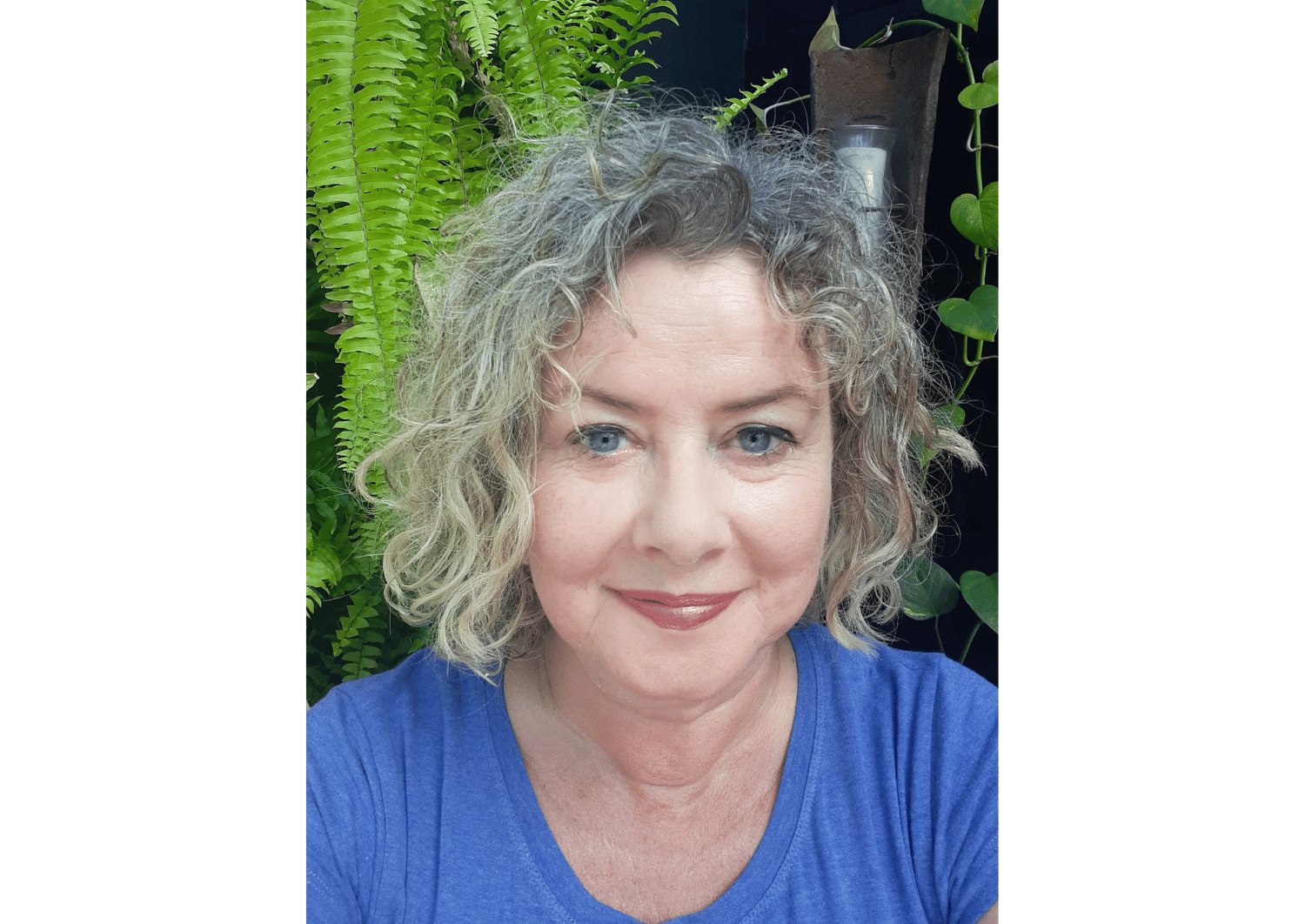
We recently caught up with Jocelyn Anderson, Chief Executive of the West Mercia Rape & Sexual Abuse Support Centre and member of Hereford Diocesan Safeguarding Advisory Panel. She shared her reflections on why safeguarding is a shared responsibility and why independent voices are so valuable in supporting the wider work of the Church of England to continually improve safeguarding.
I have worked within the sexual violence and abuse sector since 2002. For me, safeguarding is, and always has been, a central and constant part of my work, whether this is supporting clients, their families, or the wider community. But I appreciate this isn’t the same for everyone; it can appear scary and intrusive, and a common question is ‘What if I get it wrong?’ My response is always ‘But what if you get it right?’
Training can help. It gives you the confidence to learn to look and listen for indicators of violence and abuse when talking to people; often, what is not said can be as significant as what is. It can equip you to consider the wider contextual picture in which people live and disclose their experiences.
I am a member of the Diocesan Safeguarding Advisory Panel, and I am supporting the church and helping to fulfil one of the recommendations made by the Independent Inquiry into Child Sexual Abuse (IICSA). Nationally and regionally, the Church of England has made significant changes in response to safeguarding enquiries. I can see at every level how this progress is lived out. The people I have encountered in my role want to continuously learn and improve; they are passionate about getting it right.
The experience that I bring to my role as an external, non-church voice on the diocesan safeguarding panel is, I believe, what helps to strengthen the Diocese’s ability to ask and answer important safeguarding questions. As someone who is completely independent, I am not immersed in existing processes or traditions. As an independent member, I can sometimes ask the “how” and “why” questions more easily than others. This can bring a different perspective and, I hope, a constructive challenge. I offer a professional curiosity that I hope will facilitate learning and identify what might work to create safer environments across Church of England churches in Hereford Diocese.
Safeguarding requires active engagement, professional curiosity, and the confidence to challenge behaviours or practices that may cause harm. It is not enough to stand by; we must all be prepared to act, to listen, and to create cultures where safety, accountability, and compassion are at the heart of everything we do. By working together, learning from past failures, listening to survivors, and remaining open to change, we can continue building communities where everyone feels safer, supported, and heard.
– ENDS –